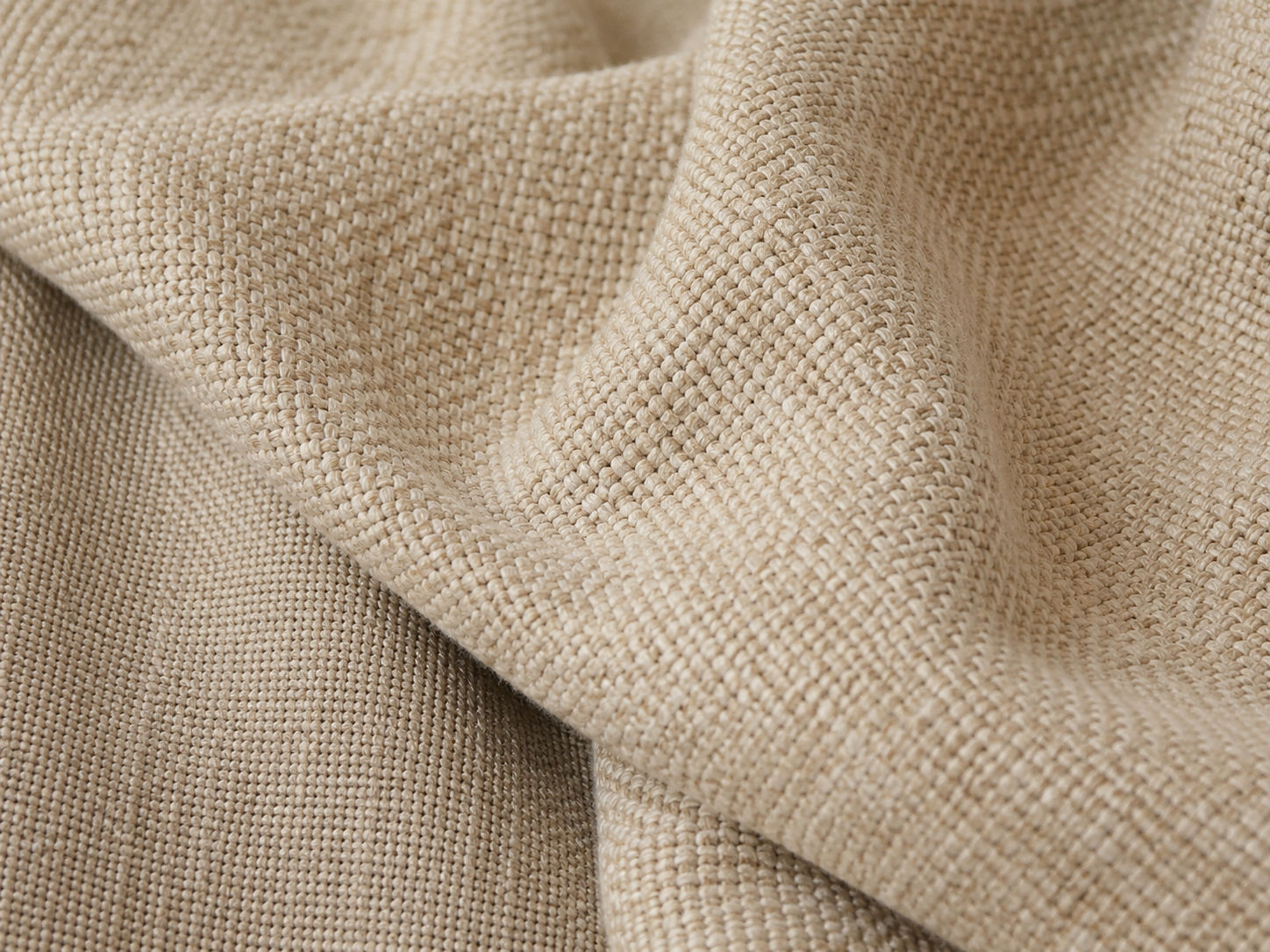
Texture often gives the first real signal of direction. Before color begins to define mood, the handfeel, surface, structure, and quiet presence of a fabric can already suggest how a collection should move.
Why texture leads first
Some fabrics speak through density, softness, dryness, weight, or subtle irregularity. These qualities create an emotional response before palette decisions even begin. In many cases, texture is what gives a fabric its first real relevance.
Color may follow, but texture frames the feeling
When texture is right, color becomes more precise. It supports an already-formed material mood instead of trying to create one on its own. This is often what makes a textile direction feel calmer, clearer, and more refined.
For thoughtful collections, texture is rarely a secondary detail. It is often the first language a fabric uses — and the one that stays with us longest.